
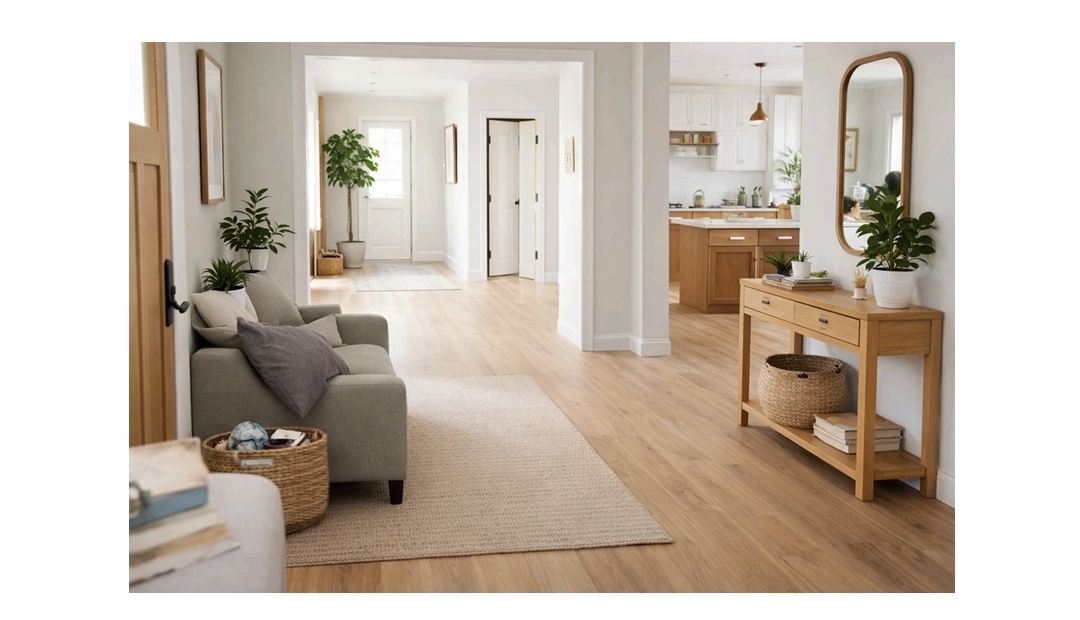
A family home is never quiet for long. Someone is always moving, calling out, opening a door, or looking for something they just had in their hand. That’s normal. What makes life easier is when the house supports all of this instead of working against it.


A good layout doesn’t mean the house looks perfect all the time. It means daily life feels manageable. You can walk through rooms without bumping into things. You know where activities happen. And when the day is over, there’s at least one place where things slow down.

Most families don’t need more space. They need space that makes sense.
Giving Everyday Activities a Place of Their Own
When everything happens everywhere, the house starts to feel messy even when it’s clean.
Toys land on sofas, laptops sit on dining tables, and meals get eaten wherever there’s a free surface. This creates confusion and constant cleanup.
The simplest fix is deciding what belongs where.
Children don’t need a separate playroom to understand play zones. Even a corner of the living room works if it’s clearly meant for toys. A rug, a low shelf, or a storage basket signals that this area has a purpose.
Work and study areas matter too. When homework happens on the same table where dinner is served, it becomes harder to focus. A small desk or even a designated spot at one end of the table helps create mental separation.
Relaxation also needs its own space. A sofa used only for lounging or a quiet corner with a pooja mandir for home feels different from one constantly covered in work bags and books
These zones don’t need walls. They need clarity. And that clarity makes routines easier for everyone.
Making Movement Simple and Stress-Free
In family homes, movement happens constantly. Kids run from room to room. Adults carry things back and forth. When furniture blocks paths or rooms feel cramped, irritation builds fast.
Clear walking paths make a big difference. Hallways, entrances, and main living areas should feel easy to move through, not like obstacle courses.Sometimes it’s not about removing furniture, but shifting it slightly. A chair pulled back a bit. A table moved closer to the wall. These small changes open up space more than people expect.
High-use areas need the most attention. Kitchens, living rooms, and entrances should feel open and safe. Sharp corners and tight gaps increase the risk of bumps and falls.
When movement feels natural, the house feels calmer. People don’t even notice why — they just feel less tired.
Letting Rooms Serve More Than One Purpose
Very few family homes have rooms that sit unused. Most spaces need to handle more than one job.
A living room might be used for watching TV, doing homework, hosting guests, and playing games. That’s not a problem as long as the space can shift easily, with a well-placed TV cabinet keeping entertainment essentials organised
Furniture that moves helps a lot. Lightweight chairs, tables that slide, or pieces on wheels allow rooms to change throughout the day.Storage furniture is especially helpful. Benches with space inside, ottomans that open, or coffee tables with drawers allow items to disappear when they’re not needed.
The goal isn’t to hide everything. It’s to allow the room to reset quickly. A space that can return to neutral by evening feels easier to live in.
Busy schedules need flexibility. Rooms that adapt reduce pressure on everyone.
Using Storage That Works With Real Life
Storage only works if people actually use it. Complicated systems fail fast in family homes.
Built-in storage is useful because it blends into the layout. Cabinets, shelves, and drawers don’t take up extra space and help keep floors clear.
Hidden storage solves everyday problems. Under-bed drawers, storage stools, and spaces under stairs quietly hold things that would otherwise pile up.
Accessibility matters more than appearance. If storage is hard to reach, items won’t go back.
Open baskets often work better than closed boxes because they’re easy for children to use.
Grouping items by activity helps too. School supplies in one place. Sports gear in another.
When things are stored near where they’re used, clutter reduces naturally.
A home doesn’t need to look empty. It just needs places where things can land without causing chaos.
Making the Home Safe Without Making It Boring
Family homes need to handle wear. Spills, drops, and messes happen daily. Choosing materials that forgive this makes life easier.
Durable surfaces reduce stress. Easy-to-clean floors, washable fabrics, and sturdy furniture stand up better to daily use.
Rounded edges on furniture matter more than people realise. Sharp corners turn normal movement into constant caution, especially with young children.
At the same time, the house shouldn’t feel like a play zone only for kids. Adults need comfort too.
Neutral designs often work best. They don’t age quickly and adapt as children grow. Bright colours and themes can come from toys and accessories instead of permanent features.
Layouts should allow supervision without hovering. Open views between rooms help parents stay aware while still giving children independence.Creating Quiet Spaces in a Noisy Home
Noise builds up in family homes. Conversations overlap. Devices hum. Someone is always talking or moving. Without quiet areas, everyone feels drained.
Bedrooms should be placed as far as possible from the busiest parts of the house. Distance from living rooms and kitchens helps protect sleep.
Quiet corners matter too. A chair by a window, a small reading area, or a desk tucked away gives family members space to breathe.
Soft furnishings help control sound. Rugs, curtains, and cushions reduce echoes and make rooms feel less harsh.
Furniture placement also plays a role. Shelves, wardrobes, and even sofas absorb sound when placed thoughtfully.
Everyone needs moments of calm. A layout that allows this supports emotional balance, not just physical comfort.
Allowing the Layout to Change Over Time
No family stays the same. Children grow. Routines shift. Needs evolve.
A good layout leaves room for this. Furniture that moves, zones that can change purpose, and storage that adapts prevent the home from feeling outdated too quickly.
It’s normal to discover what doesn’t work only after living in the space. Adjustments over time often create better results than detailed plans made at the start.
Homes that function well aren’t rigid. They respond to real life.
Final Thoughts
A functional home layout doesn’t need to look impressive. It needs to support the people living in it.
Clear zones, easy movement, flexible spaces, and practical storage reduce daily friction. They make routines smoother and give families room to breathe.
When the layout works, the house feels less demanding. And in a busy family, that sense of ease is what truly matters.
👉 Click here to read the latest Gujarat news on TheLiveAhmedabad.com