
The ongoing conflict between the United States and Iran, which completes 30 days on Saturday, has triggered not just an oil supply crunch and energy concerns, but also disruptions across multiple industries. The ripple effects are being felt in products ranging from plastics and cosmetics to food items and even alcoholic beverages.

Despite being far from the conflict zone, India is increasingly feeling the impact. The country imports nearly 90% of its crude oil, with about half of it passing through the strategically critical Strait of Hormuz, which has become central to the tensions.

India also relies heavily on LPG imports from Gulf nations, particularly Qatar and Saudi Arabia—both significantly affected by the conflict. This has already led to gas shortages, and now global brewers operating in India are warning of supply disruptions and possible price hikes.
Why the conflict is pushing up beer costs
The gas shortage has a cascading effect. It raises the cost of manufacturing glass bottles and disrupts logistics, leading to delays in the supply of key raw materials like aluminium.
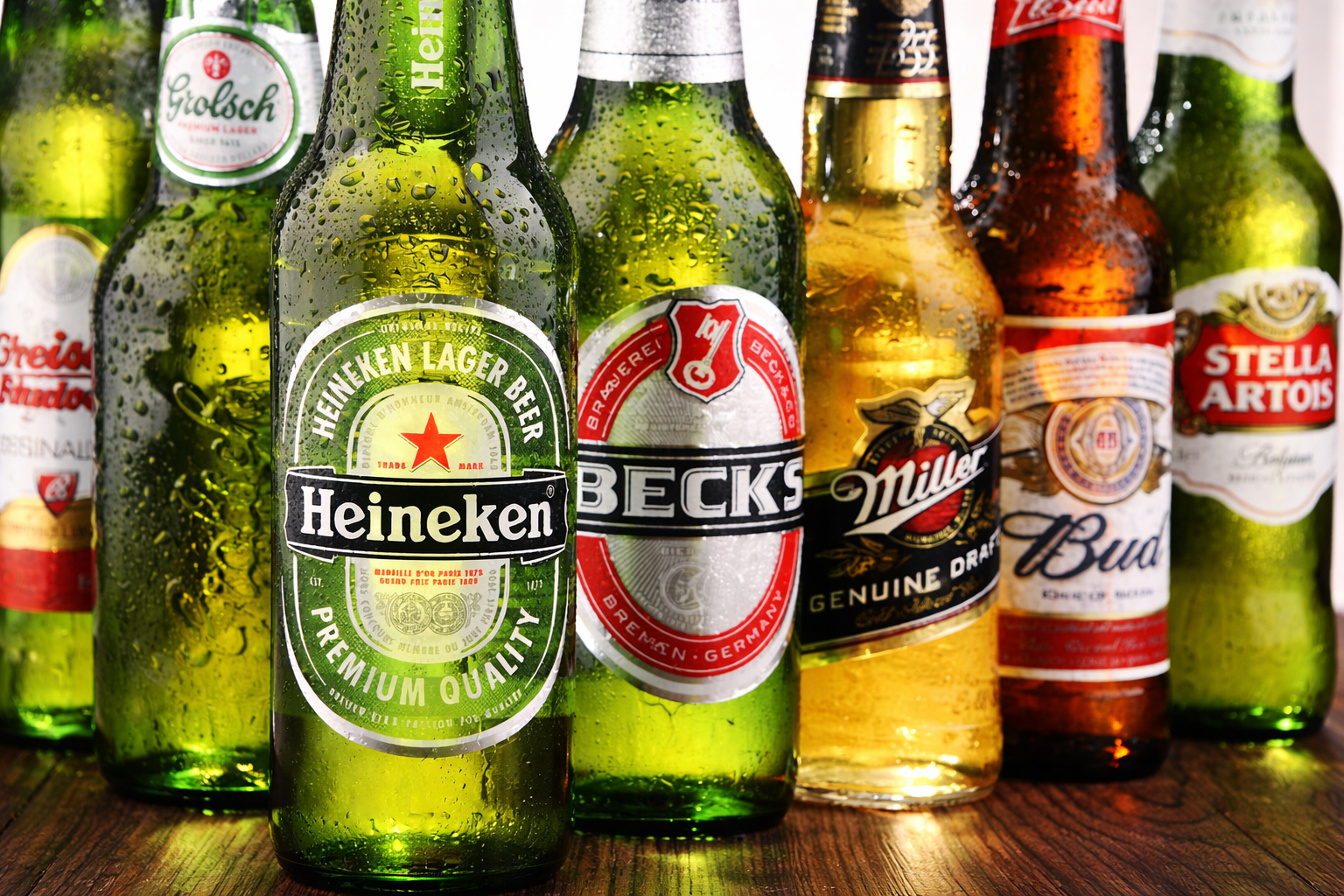
The Brewers Association of India, which includes major players such as Heineken, Anheuser-Busch InBev, and Carlsberg, has reported a sharp rise in input costs. According to reports, glass bottle prices have surged by around 20%.
Gas is a critical input for running furnaces and production lines in glass manufacturing. Attacks on energy infrastructure in Qatar have partially disrupted exports, tightening global gas availability. As a result, several glass manufacturers have been forced to scale down or halt production.
At the same time, logistical disruptions have impacted aluminium supplies, further affecting production. Packaging costs have also climbed, with increases in prices of paper cartons, labels, and other materials.
What it means for prices
With no clear timeline for the conflict to ease—even amid truce suggestions by Donald Trump—the supply crunch is expected to persist. This comes at a crucial time as India enters peak summer, when beer demand typically rises.
Industry estimates suggest that companies are seeking price hikes of 12–15% to offset rising costs. According to the Brewers Association, increasing production expenses are making some operations financially unviable.
While there has been no official response yet from companies like United Breweries (Heineken India), Anheuser-Busch InBev, or Carlsberg, the pressure on the industry is evident.
India’s liquor market has been steadily expanding, driven by urbanisation and rising incomes. According to estimates by Grand View Research, the market was valued at $7.8 billion (Rs.73,800 crore) in 2024 and is projected to double by 2030.
👉 Click here to read the latest Gujarat news on TheLiveAhmedabad.com