
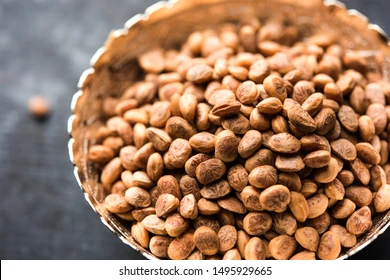
‘Charoli’ or ‘Chironji’ plants are on the verge of extinction from Amravati’s Melghat region. Charoli was an important source of income for the tribals living in Melghat. The nut rich in nutrition was collected by the tribals from the Melghat forest, fruit dried and seeds sold to the traders. The seed used on sweets and various other food items across the nation. The price per kilogramme of Charoli seeds is more than Rs 3,000.

A large number of Charoli plants existed in forest near Katkumbh, Kajaldoh, Homa, Kaneri, Bamdehi, Koylari, Korda, Pachdongri, Gangarkheda, Kotmi, Dahendri, Bagdari, Toranwadi, Butida, Jarida and Ghana villages. The tribals in large numbers were dependent on earnings from seeds harvested from these plants. The plants survive for 25 to 30 years. With no new plantation the number of plants are reducing affecting the earnings of tribals. Moreover, it has also affected biodiversity in the region. Now the important source of nutrition rich seeds are on the verge of extinction.

The environment lovers have appealed to the people to preserve the important s[pecies and also provide earning source to the tribals living in forest areas. They have also alleged that the saplings of Charoli is not easily available despite growing demand. They have appealed to the Forest Department to make available the saplings. The seed besides being rich in nutrition also is a medicinal plant.
CHAROLI: Charoli in Marathi is called Chironji in Hindi or referred to as Amlondettes, Cuddapah almonds or calumpong nuts.
The seeds are tiny lentil-shaped extracted from hard shells of the Buchanania cuisine tree.
The taste is mildly sweet and nutty, closely resembling a mix of almonds and pine nuts. It is rich in protein, healthy fats and Vitamins C and E.
👉 Click here to read the latest Gujarat news on TheLiveAhmedabad.com