
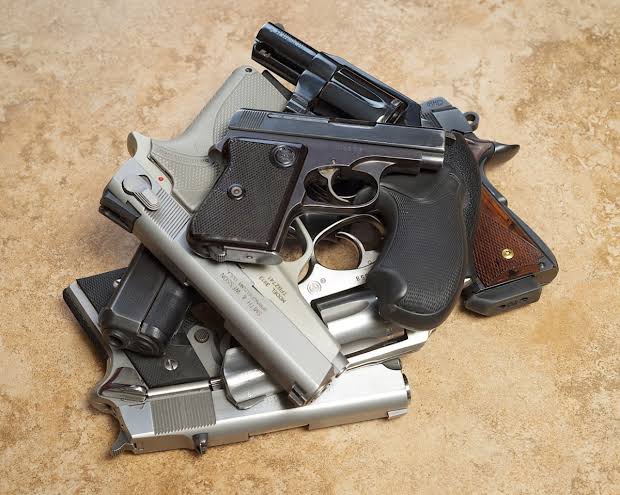
Thirty pistols. Sixty-plus live rounds. Twenty-eight arrests. That’s the tally Nagpur police have racked up in just six months — and it points to something bigger than a string of lucky busts. It points to a supply chain.

Follow the trail backward from any seized pistol, and it usually leads out of Nagpur entirely — to illegal backyard factories tucked away in Madhya Pradesh’s Khargone, Barwani, Khandwa, Burhanpur, and Betul districts. From there, the weapons don’t travel by any dramatic smuggling route. They ride buses. They ride trains. They’re stashed inside private cars and goods trucks, sometimes hidden in custom-built compartments carved into luggage or vehicle panels — quiet, everyday transport turned into a weapons pipeline.

Once they arrive, a network of middlemen takes over, moving the pistols into the hands of habitual criminals, extortionists, and local gangs. The going rate? Anywhere from Rs 25,000 to Rs 50,000 a piece — cheap enough to make murder, extortion, and gang warfare disturbingly accessible.
Police haven’t been sitting still. Month by month, the crackdown has chipped away at the trade: two pistols in January from a crime branch operation, one from MIDC in February, three from Pardi and Lakadganj in March, a joint NDPS-crime branch haul of two in April, four across Nandanwan, Kapil Nagar and Yashodhara Nagar in May, three more from Beltarodi, Ajni and Pachpaoli in June — and three already this July from Yashodhara Nagar, Tehsil and Sakkardara.
But here’s the uncomfortable truth police admit to: seizing guns isn’t the same as shutting down the factory. As long as the border routes between Maharashtra and Madhya Pradesh stay porous, the pipeline keeps refilling. That’s why the next phase of the crackdown isn’t just about confiscating weapons — it’s about hunting down the suppliers and buyers keeping the whole trade alive.
👉 Click here to read the latest Gujarat news on TheLiveAhmedabad.com