
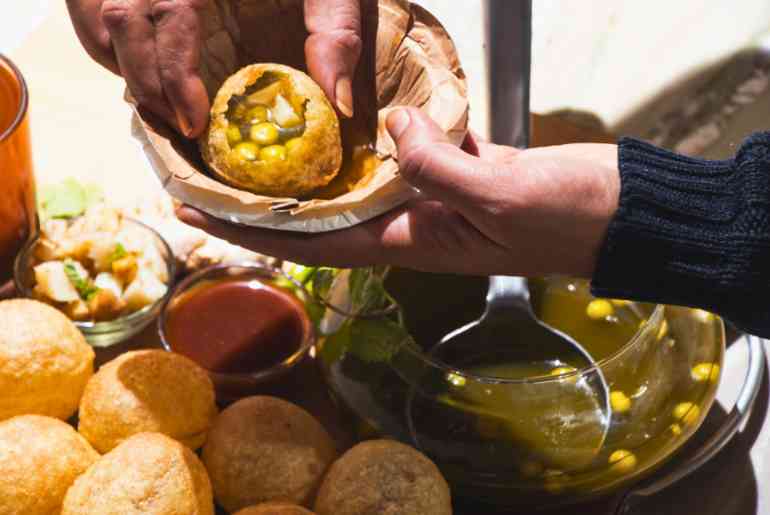
Nagpur marked World Panipuri Day on July 12 with the city’s love for the snack running as strong as ever. Known as “golgappa” in north India, “puchka” in West Bengal, and “panipuri” in Maharashtra, the dish is estimated to generate around ₹1.5 crore in daily sales across the city.

Prices have risen sharply — a plate that cost ₹5–10 a few years ago now costs ₹40–60, with some specialty variants priced higher. Despite the rise, demand hasn’t dipped; new flavours and attractive presentation have if anything drawn more young customers.

Vendors now offer varieties beyond the traditional tamarind-and-spice water base, including hing, jaljeera, garlic, ragda, dahipuri, Schezwan, Mexican, cheese and chocolate versions, with some even offering “mineral water panipuri” and “hygienic panipuri.” Thousands of vendors operate across major chowks, markets, malls and residential areas, with many stalls selling 200–500 plates a day — more during festivals and the monsoon.
Popular across age groups and genders, panipuri has become as much a social ritual as a snack, vendors say, with concerns over hygiene and water quality doing little to dent its appeal.
👉 Click here to read the latest Gujarat news on TheLiveAhmedabad.com