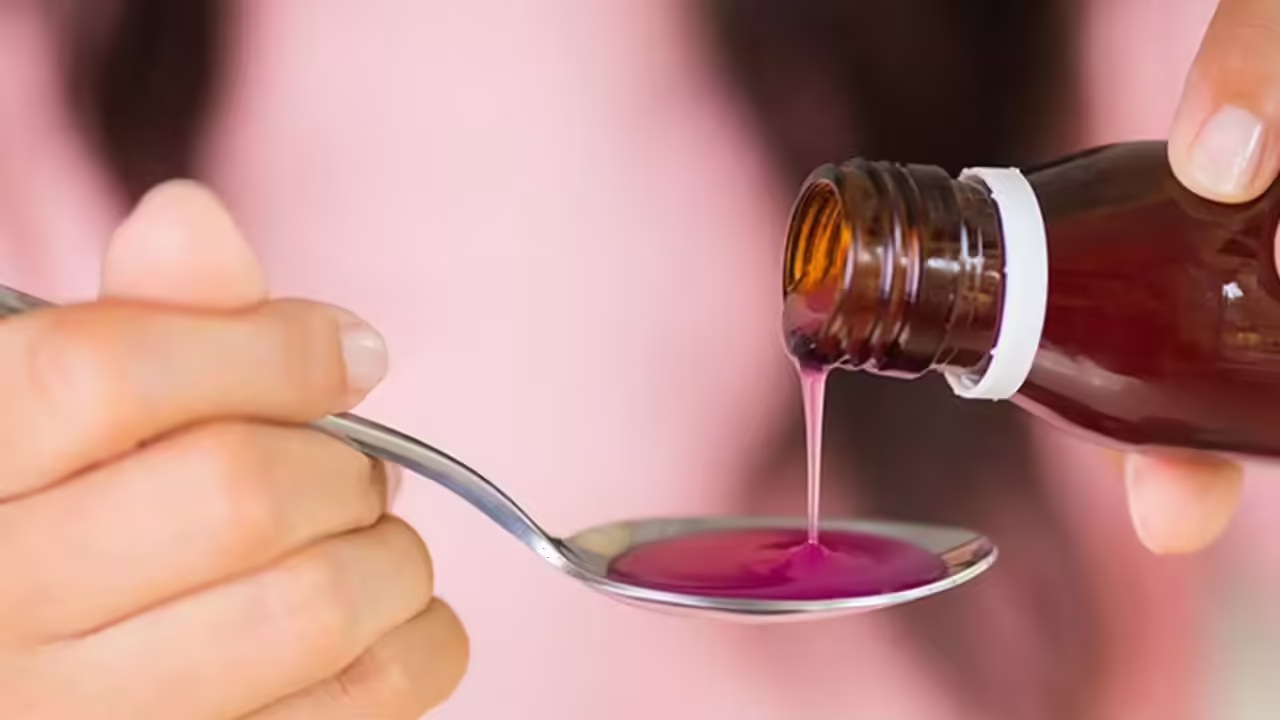
The Centre is considering a major change in how cough syrups are sold in India. Following several recent incidents in which contaminated syrups were linked to the deaths of children, the government is reassessing whether these medicines should continue to be available without a prescription.

A proposal submitted to the Drugs Consultative Committee (DCC), accessed by media, recommends removing cough syrups from Schedule K — the category of medicines allowed to be sold without a drug-sale licence. If approved, this could mean that purchasing even a regular cough syrup may soon require a doctor’s prescription.

Why the government is rethinking rules
The agenda document clearly points to the “recent incidences due to contaminated cough syrup.” In several of these cases, children suffered poisoning and serious kidney injuries after consuming syrups that contained toxic chemicals. The most recent incident happened just a month ago in Madhya Pradesh, where multiple child deaths were linked to a cough syrup that reportedly had higher than permissible levels of diethylene glycol, a chemical that can be fatal even in small quantities.
The incident created panic among parents that resulted in a recall of the contaminated batch. Soon after, the World Health Organization (WHO) issued an alert, warning that syrups sold through unregulated ways could pose a serious health risk.
These repeated issues have put the spotlight on the safety of liquid medicines, especially those given to young children.
What Schedule K includes
Currently, cough syrups fall under Schedule K, a category created for everyday medicines considered safe for routine use. Products on this list can be sold without a pharmacy licence, which helps ensure that basic medicines are available even in remote villages.
This list includes paracetamol and aspirin tablets, balms, antacids, inhalers for nasal congestion, gripe water for infants, and first-aid items like bandages, liniments and tincture of iodine. Cough syrups, lozenges and pills also fall under this category as long as they are sold in their original sealed packaging.
But the new proposal suggests removing only cough syrups from the list. Lozenges and cough tablets are not mentioned, which means they may continue to be available freely.
The document states, “In view of the recent incidences due to contaminated cough syrup, it is proposed that the exemption provided for the sale of syrups for cough may be deleted.” The committee has been asked to discuss the issue and give its recommendations.
Safety concerns push for change
Several states have already issued warnings advising parents to avoid giving cough syrups to small children unless prescribed by a doctor. With multiple cases of contamination being reported over the years, experts say there are clear gaps in quality checks for liquid drug formulations.
If the proposal is approved, the way Indians buy cough syrups could change significantly. What has long been a simple over-the-counter purchase may soon require medical supervision, a move the government hopes will prevent more tragedies linked to unsafe and contaminated syrups.
👉 Click here to read the latest Gujarat news on TheLiveAhmedabad.com