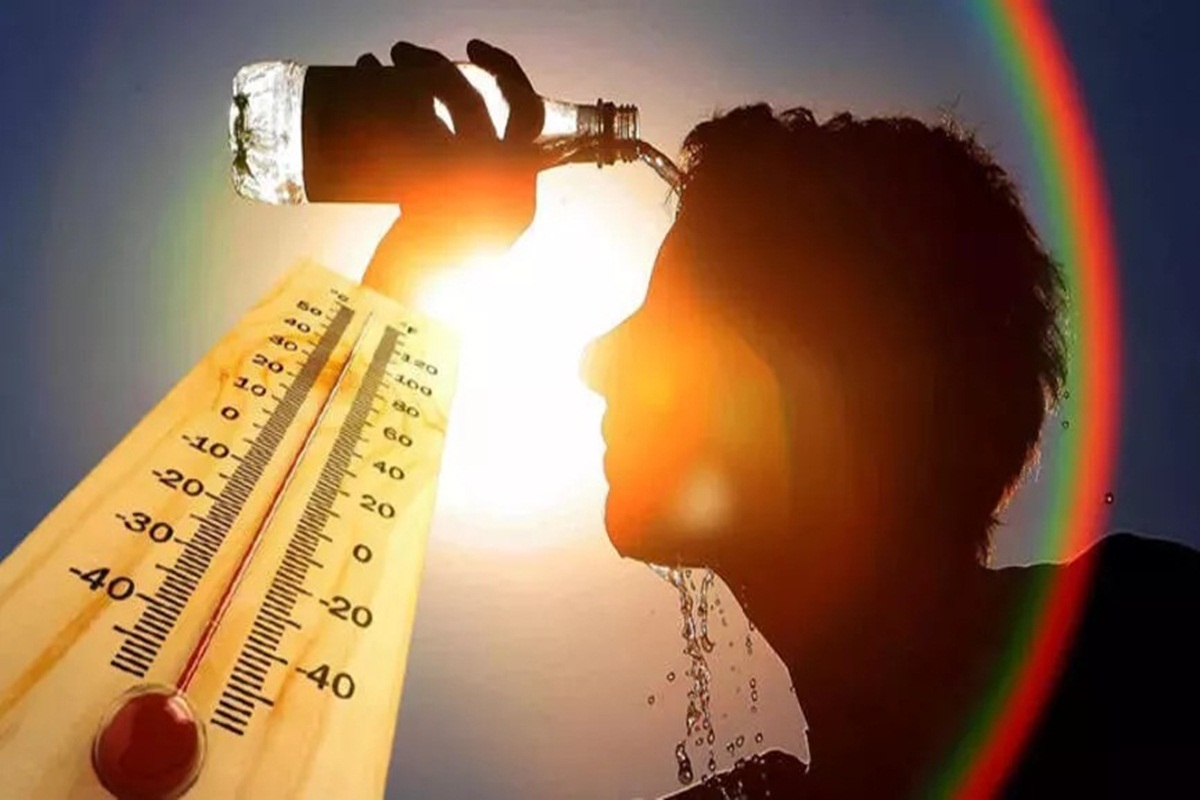
Vidarbha is set to experience an intense summer this year, with the India Meteorological Department (IMD) predicting 10–12 heatwave days between March and May.According to the latest monthly outlook, March temperatures are expected to remain largely normal, with maximum temperatures typically ranging between 35°C and 38°C. However, 2–3 days may see the mercury crossing the 40°C mark, accompanied by heatwave conditions.Pravin Kumar, Scientist C at the Regional Meteorological Centre (RMC), Nagpur, stated that the region usually records one or two days above 40°C in March, and a similar pattern is likely this year, along with a few heatwave days.Above-Normal Heatwave Days ExpectedFor the March–May 2026 season, the IMD has projected an above-normal number of heatwave days across Vidarbha and west-central India. Typically, the region witnesses 7–9 heatwave days during summer. This year, however, Vidarbha could see three to four additional heatwave days.The IMD defines a heatwave in the plains as a situation when the maximum temperature touches 45°C or rises at least 4.5°C above normal.Impact on Public Health and ServicesThe department has cautioned that the increased frequency of heatwaves during the March–April–May (MAM) season could significantly affect public health, water availability, electricity demand, and essential services. Vulnerable groups — including the elderly, children, outdoor workers, and those with pre-existing medical conditions — face higher risks of heat-related illnesses.State governments and district administrations have been advised to strengthen preparedness by operationalising cooling shelters, ensuring adequate drinking water supply, and enhancing health surveillance systems.Climate Factors at PlayCurrently, weak La Niña conditions prevail over the equatorial Pacific, marked by below-normal sea surface temperatures in the central and eastern Pacific. However, global forecast models, including the Monsoon Mission Climate Forecast System (MMCFS), indicate that these conditions are likely to weaken gradually.El Niño years are generally associated with weaker monsoons and harsher summers in India. Adding to concerns, Central India recorded a 78.7% rainfall deficiency between January 1 and February 28, pointing to a dry start to the year that could intensify summer conditions.

👉 Click here to read the latest Gujarat news on TheLiveAhmedabad.com