
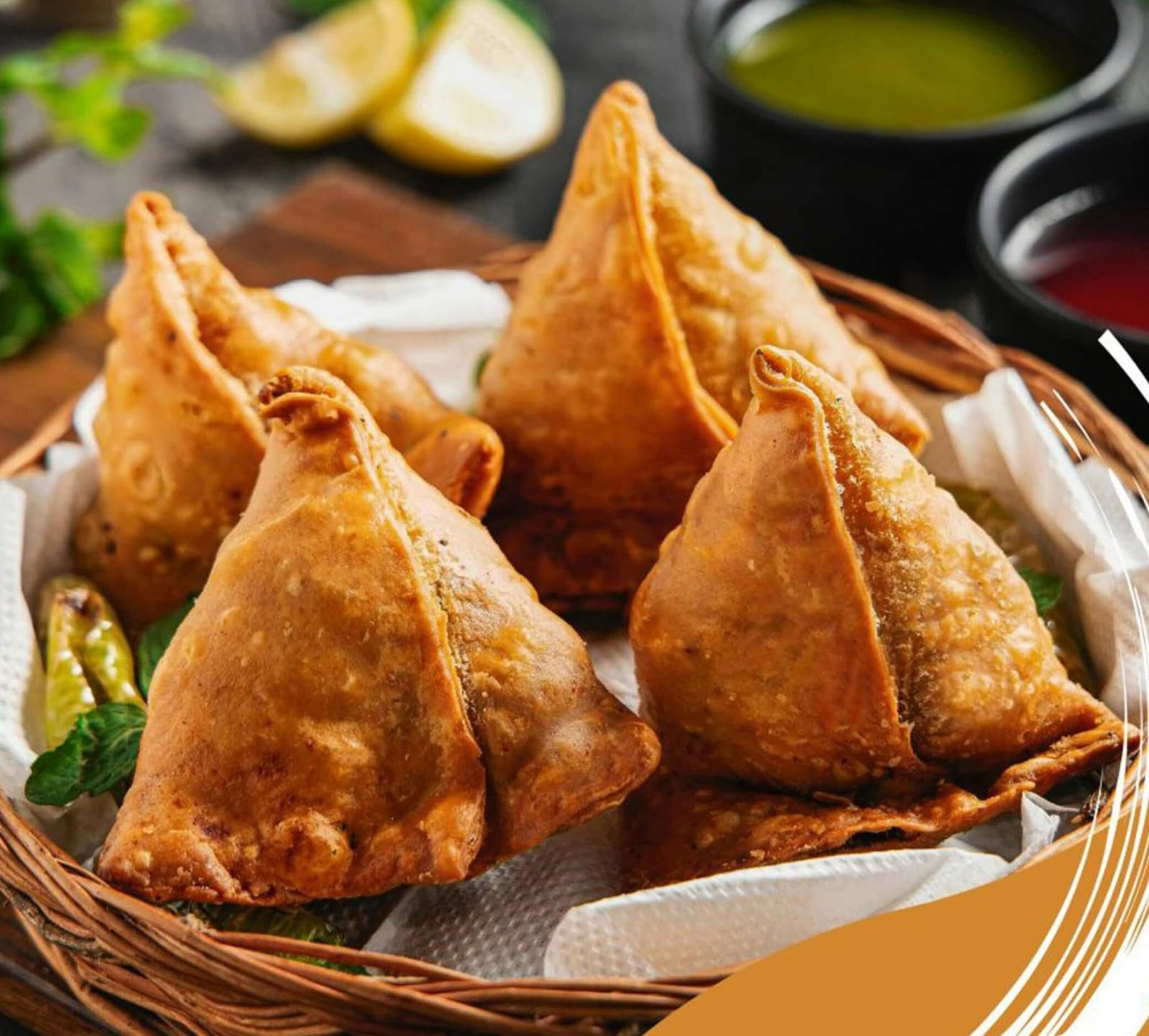
Every year on September 5, food lovers across the globe celebrate World Samosa Day—a tribute to one of the most beloved snacks of all time: the samosa. Crisp on the outside, bursting with flavour inside, this triangular delight has captured hearts everywhere.

From bustling street stalls to fine-dining restaurants, the samosa enjoys an undisputed reign.

A Journey Through History
Though today it is inseparably linked with Indian street food, the samosa’s story begins elsewhere. Its origins can be traced back to the Middle East, where a dish called sambosa was savoured centuries ago. Traders and travellers brought it to India in the 13th and 14th centuries, where it absorbed local spices and fillings—evolving into the iconic version we know today.
Endless Variations
The vegetarian samosa has long been a star for its versatility. Traditionally stuffed with spiced potatoes and peas, it now embraces countless variations: cheese, paneer, noodles, corn, or even sweet treats like chocolate and khoya. Non-vegetarian fillings such as chicken, mutton, kheema, and eggs make it equally popular among meat lovers.
Samosas in Nagpur: A Local Favourite
While Nagpur may not be famed as a samosa capital, the snack holds a special place in the daily lives of its residents. From morning chai stalls in Sadar and Sitabuldi to college hangouts in Dharampeth, a crisp samosa paired with spicy green chutney or tamarind sauce is a common delight.
A local specialty is the Tarri Kadhi Samosa, where the samosa is served in a tangy, spicy kadhi gravy, creating a unique Nagpuri twist that food lovers swear by. Street vendors and small eateries around Mahal, Itwari, and Dharampeth serve this iconic dish, making it a must-try for anyone visiting the city.
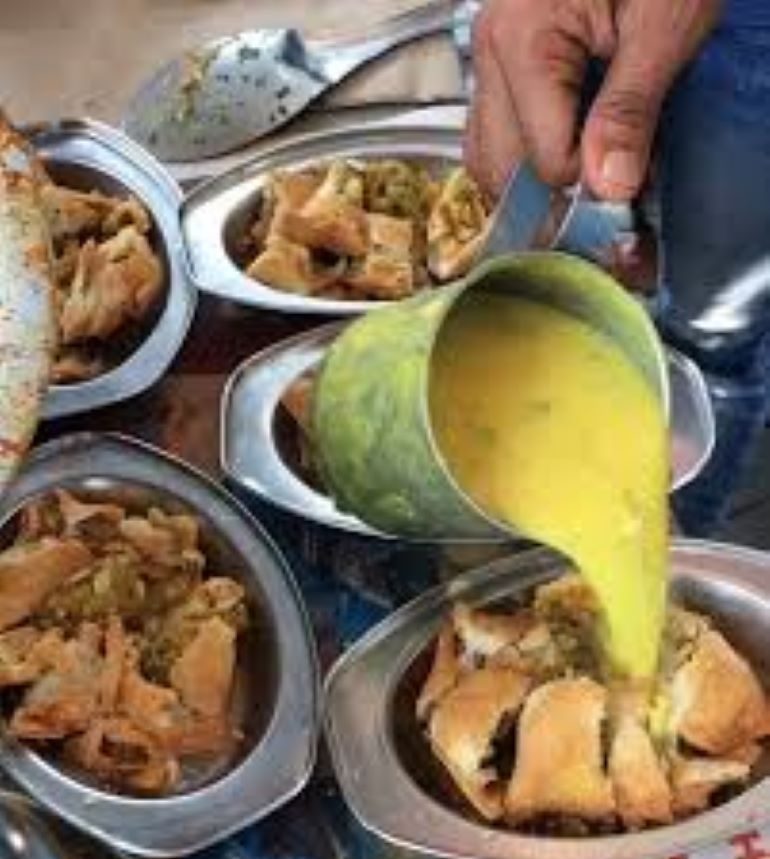
Local Haldiram outlets, Dharampeth samosa shops, and other tea stalls all draw regular crowds. For students and office-goers alike, samosas, whether plain or in kadhi, are the perfect companion to evening tea or late-night snacks, fitting seamlessly into Nagpur’s vibrant street food culture dominated by poha, tarri misal, and Saoji specials.
Local Haldiram outlets, street vendors near Mahal and Itwari, and smaller tea shops all serve up piping hot samosas that draw regular crowds. For students and office-goers alike, samosas are the perfect companion to evening tea or late-night snacks, fitting seamlessly into the city’s vibrant street food scene dominated by poha, tarri misal, and Saoji specials.
More Than Food: A Bond
What makes the samosa so special is its power to bring people together.
Rushi, an employee in private office and regular at a famous Dharampeth samosa shop, says, “I love the samosas here, they are crispy, perfectly spiced, and just unbeatable with chutney. It’s my go-to snack after office or during chai breaks.”
Ananya Seth, another college student, adds, “Samosa is the only thing we don’t say no to if anyone offers it. No matter how full we are, it’s always a yes!”
Government employee Rajesh Thakre from Pratap Nagar sums it up: “It’s simple yet uniting. From unexpected guests at home to catching up with colleagues, the samosa always finds a way to bring warmth and conversation to the table.”
On this World Samosa Day, it’s clear: even in a city better known for oranges and poha, the humble samosa continues to delight, connecting people with its crunchy, flavour-packed charm.
👉 Click here to read the latest Gujarat news on TheLiveAhmedabad.com