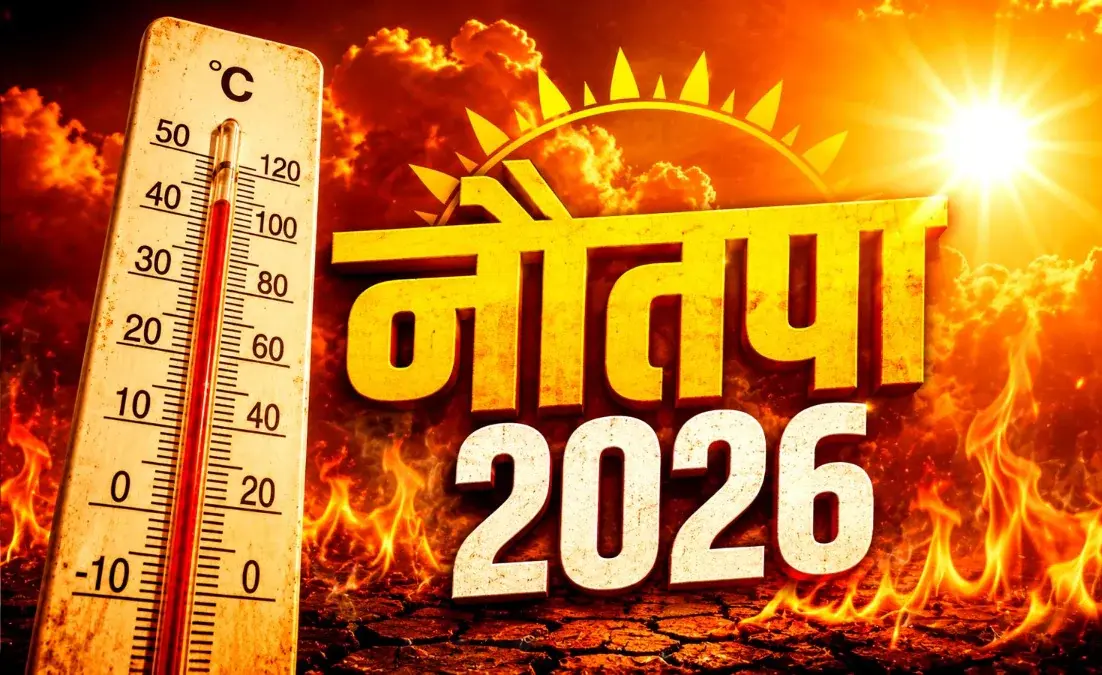
Every year, as summer reaches its peak, India witnesses a period of extreme heat popularly known as “Nautapa.” The term is derived from two Hindi words — “Nau,” meaning nine, and “Tapa,” meaning heat. Together, Nautapa refers to the nine hottest days of the season. Traditionally, this phase is believed to begin when the Sun enters the Rohini Nakshatra. In 2026, Nautapa is likely to start on May 25 and continue till June 2.

Why Does Nautapa Feel So Severe?
During Nautapa, the Sun’s rays fall more directly on the Earth, causing the land to heat up rapidly and intensifying heatwave conditions across several parts of the country. States such as Uttar Pradesh, Rajasthan, Delhi, Haryana, Madhya Pradesh, and Bihar often record temperatures above 45°C during this period. According to the India Meteorological Department (IMD), a heatwave is declared when temperatures remain significantly above normal for consecutive days.

Experts believe climate change and rapid urbanisation are worsening the situation every year. Shrinking green cover, increasing concrete structures, and rising pollution levels are making cities hotter and reducing natural cooling.
What Problems Can Nautapa Create?
Nautapa is far more than just an uncomfortable weather phase. Prolonged exposure to extreme heat can impact health, disrupt daily life, and put pressure on essential resources.
Health Risks Linked To Extreme Heat
Doctors warn that excessive heat can lead to several serious health issues, including:
- Dehydration
- Heat exhaustion
- Heatstroke
- Dizziness and fainting
- Low blood pressure
- Headaches and fatigue
Children, elderly citizens, outdoor labourers, and people suffering from existing medical conditions are considered most vulnerable during this time.
Impact On Daily Life
Extreme temperatures during Nautapa can also affect normal life in multiple ways:
- Surge in electricity consumption due to heavy use of ACs and coolers
- Water shortages in many cities and towns
- Crop damage and stress on farmers
- Higher chances of forest fires and dry weather conditions
How To Stay Safe During Nautapa
Health experts advise people to take simple but necessary precautions to protect themselves from the heat.
Important Heatwave Safety Tips
- Drink plenty of water throughout the day
- Avoid going outdoors between 12 PM and 4 PM
- Wear light and loose cotton clothing
- Carry ORS or electrolyte drinks
- Limit caffeine and oily junk food
- Keep homes cool and well-ventilated
- Never leave children or pets inside parked vehicles
The Health Ministry has already issued advisories asking states to prepare hospitals and heatstroke units in advance for the 2026 summer season.
Does Nautapa Influence The Monsoon?
There is a common belief in India that an intense Nautapa often leads to a good monsoon. This idea is based on the understanding that stronger summer heat warms the land and nearby oceans faster, helping cloud formation and moisture movement required for rainfall.
However, weather experts say the monsoon depends on many complex factors beyond just heat. Wind circulation patterns, ocean temperatures, and global climate systems like El Niño also play a major role in determining rainfall. This means extremely hot summers do not always guarantee heavy monsoon rains.
Scientists have also observed that due to climate change, heatwaves in India are becoming more intense while weather patterns are turning increasingly unpredictable with each passing year.
Though Nautapa is rooted in traditional belief and culture, its impact is very real in present-day India. With temperatures rising steadily every year, understanding heatwaves and staying prepared has become more important than ever. Whether viewed through science, culture, or astrology, these nine days demand extra caution, hydration, and awareness.
👉 Click here to read the latest Gujarat news on TheLiveAhmedabad.com