
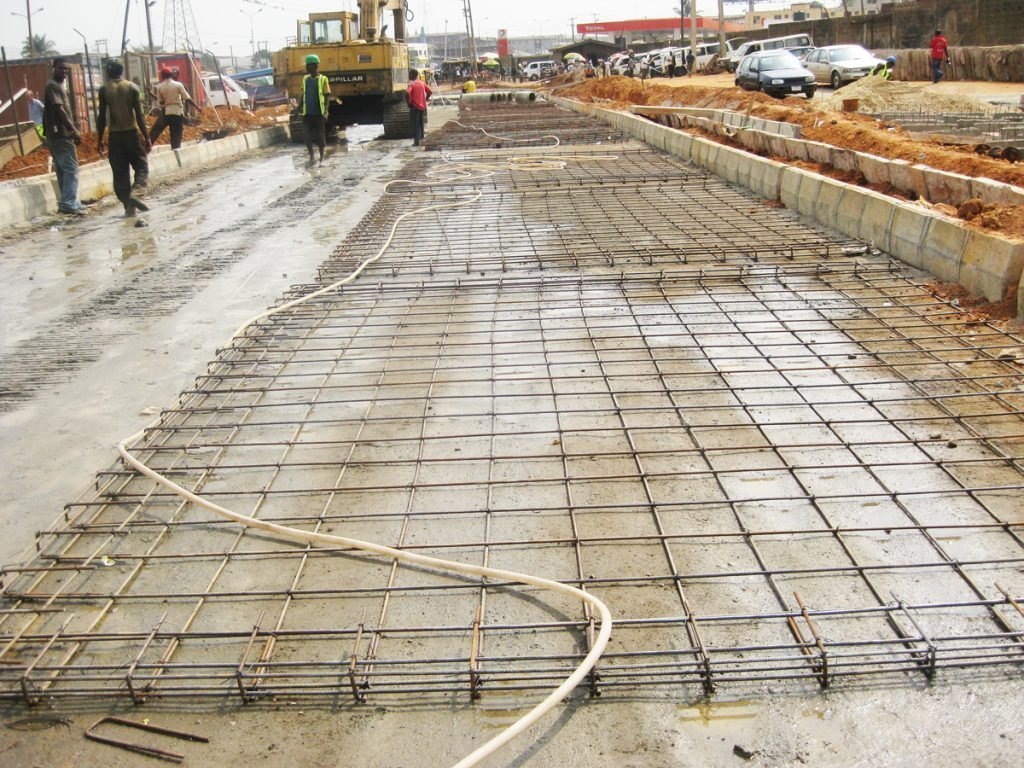
Between 2014 and 2024, over 700 km of cement concrete roads have been developed in the city under various projects, but several new projects are still underway. A public interest litigation was filed in the Nagpur Bench of the High Court objecting to the construction of cement roads, arguing that it contributes to the rise in temperature. The court, however, refused to order a stop to these works, making it clear that there would be no direction to halt the projects. The court, however, strongly criticized the authorities for not filing their replies despite repeated notices.

The petition, filed by Janmanch president Rajiv Jatania, raised objections about cement road construction. The petitioner argued that along with cement roads, plastic waste and concrete debris are also being disposed of on city streets, causing severe pollution and hardship to citizens. Instead of properly processing plastic waste, the authorities are allowing its indiscriminate dumping. The petition highlighted that asphalt roads are more environmentally friendly compared to cement roads, but the administration has shown indifference in addressing the matter.

In response, the authorities informed the court that in comparison to asphalt, cement roads generate less carbon emissions. Asphalt requires high heat during construction, leading to more carbon dioxide release. Cement roads, though prone to increasing surface heat, are considered stronger, longer lasting, and less prone to damage from rain and heavy vehicles. They also reduce dust pollution, provide smooth traffic flow, and lower vehicle maintenance costs. While acknowledging some drawbacks, the administration stressed that the overall benefits of cement roads outweigh the disadvantages.
The High Court granted the authorities one final chance to submit their detailed replies, directing the state government, Nagpur Municipal Corporation, National Highway Authority, and other concerned bodies to file their responses within four weeks. The court made it clear that if responses are not filed within this time frame, appropriate action would follow.
The issue of cement roads has long been contentious. Experts point out that although cement roads are costlier, they last longer—about 40–50 years compared to 10–12 years for asphalt roads. This durability, along with reduced maintenance expenses, makes them a financially viable choice in the long run. However, rising urban heat, reflective glare, and inconvenience to two-wheeler riders remain genuine concerns. The court is now set to hear the matter again after receiving replies from the authorities.
👉 Click here to read the latest Gujarat news on TheLiveAhmedabad.com