Nagpur’s public transport landscape is headed for a major overhaul as part of the city’s ambitious ₹25,567 crore Comprehensive Mobility Plan (CMP), which aims to reshape travel patterns and ease future congestion by 2054.

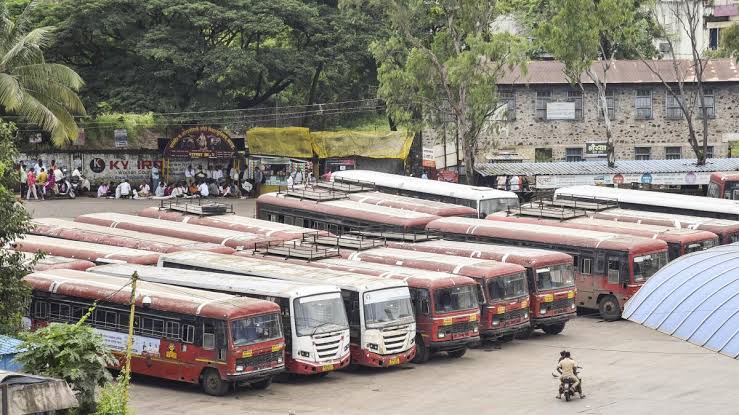
At the heart of the transformation is the development of four new intercity bus terminals — Parsodi and Khairi in Phase 1, followed by Wadi and Kapsi in Phase 2. This decentralization move will shift intercity traffic out of the city’s congested core, easing pressure on Ganeshpeth and Mor Bhawan, which will be redeveloped exclusively for intracity use.

The plan also brings a fresh focus on route efficiency. Ten overlapping and underperforming city bus routes — including key stretches like Koradi to Kamptee, Sitabuldi to Amar Nagar, and Gorewada Water Tank to Gandhibagh — will be rationalised to serve as feeder routes that sync seamlessly with metro stations.
Fleet upgrades are part of the blueprint too. CMP projects a jump in bus requirements from 1,310 in 2024 to 1,746 by 2054, ensuring future capacity keeps pace with rising demand. Intermediate targets are already charted, with 1,364 buses by 2028 and 1,700 by 2051.
With smarter routes, modern terminals, and integrated planning, Nagpur’s bus system is finally evolving — not just to keep up, but to set a new benchmark for urban transport across Tier-2 Indian citie
👉 Click here to read the latest Gujarat news on TheLiveAhmedabad.com