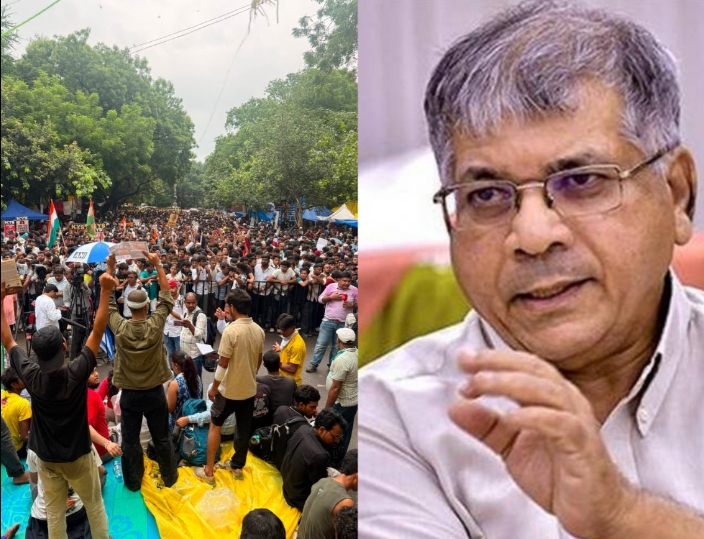




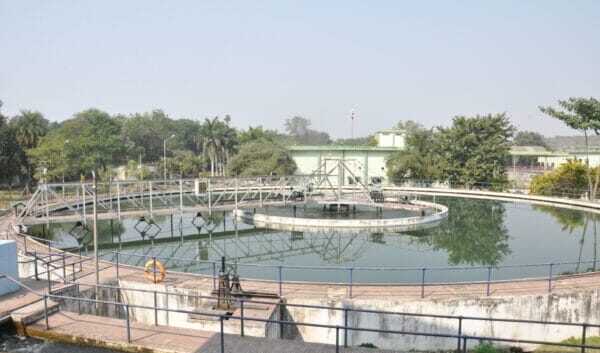

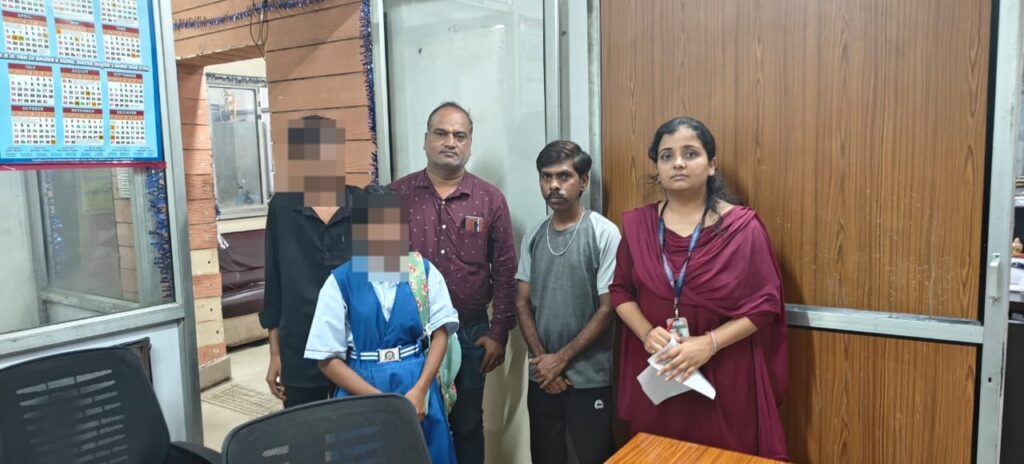


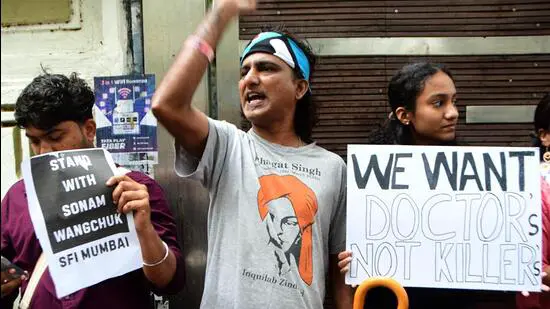




The season’s first major downpour on Wednesday night exposed serious flaws in monsoon preparedness at several…
[bsa_pro_ad_space id=3]

[bsa_pro_ad_space id=3]

The season’s first major downpour on Wednesday night exposed serious flaws in monsoon preparedness at several…

With the management and operations of Dr Babasaheb Ambedkar International Airport officially transferred from MIHAN India…

The Nagpur district administration will hold special camps across all 10 zones of the Nagpur Municipal…

The Legal Metrology Department has urged consumers to verify fuel dispenser readings before purchasing petrol or…

In a landmark verdict, the Washim District and Sessions Court on Thursday sentenced nine police personnel,…

The Nagpur bench of the Bombay High Court has put FDA Commissioner Tukaram Mundhe’s department in…

The Special Intensive Revision (SIR) of electoral rolls is now being rolled out in Maharashtra as…
In view of the growing rush of passengers, Central Railway has extended the operation of the…
The Maharashtra State Examination Council has taken a decisive step towards conducting the Maharashtra Teacher Eligibility…
South East Central Railway will operate a mega block every Tuesday and Friday from July 3…
Three to four students sustained minor injuries after a Nagpur Municipal Corporation (NMC) Aapli Bus collided…
In a major breakthrough, Amravati Police recovered a Shivshahi bus worth ₹1.53 crore that was stolen…
In a late-night crackdown, the Crime Branch’s Anti-Narcotics Squad raided an alleged illegal hookah café operating…
The free knee pain and health camp jointly organised by the Abhyankar Smarak Trust and Aryan…
A 45-year-old woman has accused her husband of forcing her to convert to Islam more than…
In what could be one of the biggest changes to India’s higher education admission system in…
An elderly woman tragically lost her life after reportedly coming into contact with an electric current…
In a major operation, the Nagpur Crime Branch conducted a raid in the city’s Ganga Jamuna…
The National Testing Agency (NTA) is expected to announce the results of the re-National Eligibility-cum-Entrance Test…
Most people researching ULIPs stop after understanding the product, checking the premium, and deciding whether to buy. The deeper question of how to actually manage the investment inside a ULIP once it is purchased rarely gets addressed during the buying conversation. That gap matters. A ULIP bought and left untouched in the same fund allocation for fifteen years works significantly below its potential. Asset rebalancing is what separates a ULIP that compounds into a meaningful corpus from one that delivers mediocre results despite a long tenure and consistent premiums. Before getting into the rebalancing tips, the product deserves a clear explanation for anyone coming to it fresh. What is a ULIP Plan, and Why Does the Investment Side Get Ignored A lot of people searching for “what is ULIP plan” find explanations that focus heavily on the insurance component and barely touch the investment side. Here is what that skips. A ULIP is a Unit Linked Insurance Plan. When the premium is paid, one portion covers the life insurance component. The remaining amount, after charges are deducted, goes into investment funds the policyholder chooses. These funds invest in equity, debt, or a mix of both, depending on the fund type selected. The policyholder can switch between funds during the policy term. Most plans offer a defined number of free switches per year. This switching feature is what makes asset rebalancing possible inside a ULIP. Over a 15 to 20 year tenure, fund performance and allocation decisions largely determine the final corpus. Most beginners never actively manage this aspect. Tip 1: Start Equity Heavy and Shift Gradually A beginner choosing the best ULIP plan in India for the first time often makes one of two allocation mistakes: Going entirely into equity funds because the return potential looks attractive Staying entirely in debt funds because the stability feels safer Neither extreme is the right starting point. For someone in their late twenties or early thirties with a 20-year policy tenure, a higher equity allocation in the early years makes sense. Equity has historically delivered stronger long-term returns than debt over extended periods in India. The longer the time horizon, the more room there is to recover from market downturns. A starting allocation of 70% to 80% in equity and 20% to 30% in debt is reasonable, with adjustments made gradually over time. …